Carved into the cliffs of southern Italy's Sorrentine Peninsula, the Amalfi Coast has witnessed the rise of a maritime republic, the reign of Norman kings, and the slow seduction of the world's greatest artists and writers. Behind every pastel-colored village and lemon grove lies a history as dramatic and layered as the terraced hillsides themselves.
The coastline stretching roughly 50 kilometers between Positano and Vietri sul Mare has been inhabited since antiquity, with evidence of Roman settlement dating back to the first century BC. Roman aristocrats recognized the region's strategic position and breathtaking scenery early, constructing villas along these cliffs above the Tyrrhenian Sea. Emperor Augustus and later Tiberius favored the nearby island of Capri, and Roman road networks connected isolated coastal communities to the broader empire. After Rome's fall in the fifth century AD, the area fell under Byzantine influence, providing the early administrative and cultural framework upon which the future Maritime Republic of Amalfi would eventually be built.
By the sixth and seventh centuries, the town of Amalfi itself began to emerge as a distinct settlement, initially under Byzantine governance as part of the Duchy of Naples. Sheltered by the steep Monte Cerreto mountains at its back and facing the open sea, Amalfi's geography made it both defensible and commercially oriented from the start. Inhabitants turned to maritime trade rather than agriculture, establishing early merchant routes across the Mediterranean. This period saw the laying of foundations — both physical and cultural — that would transform a modest coastal town into one of the most powerful and influential city-states of the medieval Mediterranean world within just a few generations.
From roughly the ninth to the eleventh century, Amalfi flourished as one of Italy's four great Maritime Republics, alongside Venice, Genoa, and Pisa. At its peak, the republic commanded a merchant fleet that sailed confidently to Constantinople, Alexandria, Antioch, and ports across North Africa. Amalfitan merchants were among the earliest Italians to establish a trading colony in Constantinople, and their commercial treaties with Arab and Byzantine rulers were groundbreaking. The republic minted its own gold coin, the tari — modeled on Arab dinars — and operated under its own sophisticated legal code, the Tabula de Amalpha, one of the earliest codified maritime laws in Western history.
The cross-cultural exchanges fostered by Amalfi's trade networks left indelible marks on art, architecture, and everyday life along the coast. Arab-Norman architectural fusion became a hallmark of the region, visible most strikingly in Amalfi's Cathedral of Sant'Andrea, whose interlaced arches, bronze doors cast in Constantinople around 1066, and striking black-and-white geometric cloister blend Byzantine grandeur with Arab decorative sensibility. Mathematics and navigation also advanced through Amalfitan contact with Arab scholars; the compass rose, known in Italian as la rosa dei venti, is traditionally credited to Flavio Gioia of Amalfi around 1302, though historians debate the precise origins of this transformative navigational tool.
The republic's golden age came to a decisive end in 1131 when Norman King Roger II of Sicily absorbed Amalfi into his realm, stripping the city of its independence. A catastrophic blow followed in 1343 when a massive tidal wave, triggered by an earthquake, destroyed much of Amalfi's lower city and harbor, erasing physical evidence of its mercantile golden age. Yet the cultural legacy endured. The Amalfitan hinterland — its terraced lemon groves, paper mills along the Valle dei Mulini, and the fierce independent spirit of its hilltop villages like Ravello and Scala — continued to shape a distinct regional identity that the subsequent centuries of Aragonese, Spanish, and Bourbon rule could diminish but never entirely extinguish.
The Amalfi Coast's transformation into a celebrated tourist destination began in earnest during the 18th and 19th centuries, when wealthy northern Europeans embarked on the Grand Tour of Italy. Ravello, perched 365 meters above sea level, became a particular magnet for artists and intellectuals. The composer Richard Wagner found inspiration for Parsifal in the gardens of Villa Rufolo in 1880, a tradition honored every summer by the acclaimed Ravello Festival. Authors including Gore Vidal, who lived in Ravello for decades, and D.H. Lawrence, Virginia Woolf, and later John Steinbeck all drew creative sustenance from the coast's intoxicating mix of beauty, light, and ancient atmosphere.
The mid-twentieth century brought a new wave of glamorous visitors as international cinema discovered the coast's photogenic drama. Humphrey Bogart, Greta Garbo, Sophia Loren, and Jackie Kennedy were among the luminaries photographed on terraces overlooking Positano and Praiano. John Steinbeck's influential 1953 essay in Harper's Bazaar introduced Positano to American readers as a place that 'bites deep,' cementing its reputation as the fashionable heart of the coast. Hotels like Le Sirenuse in Positano, opened by the Sersale family in 1951 in their aristocratic summer villa, became synonymous with refined Italian luxury and drew the international jet set for generations.
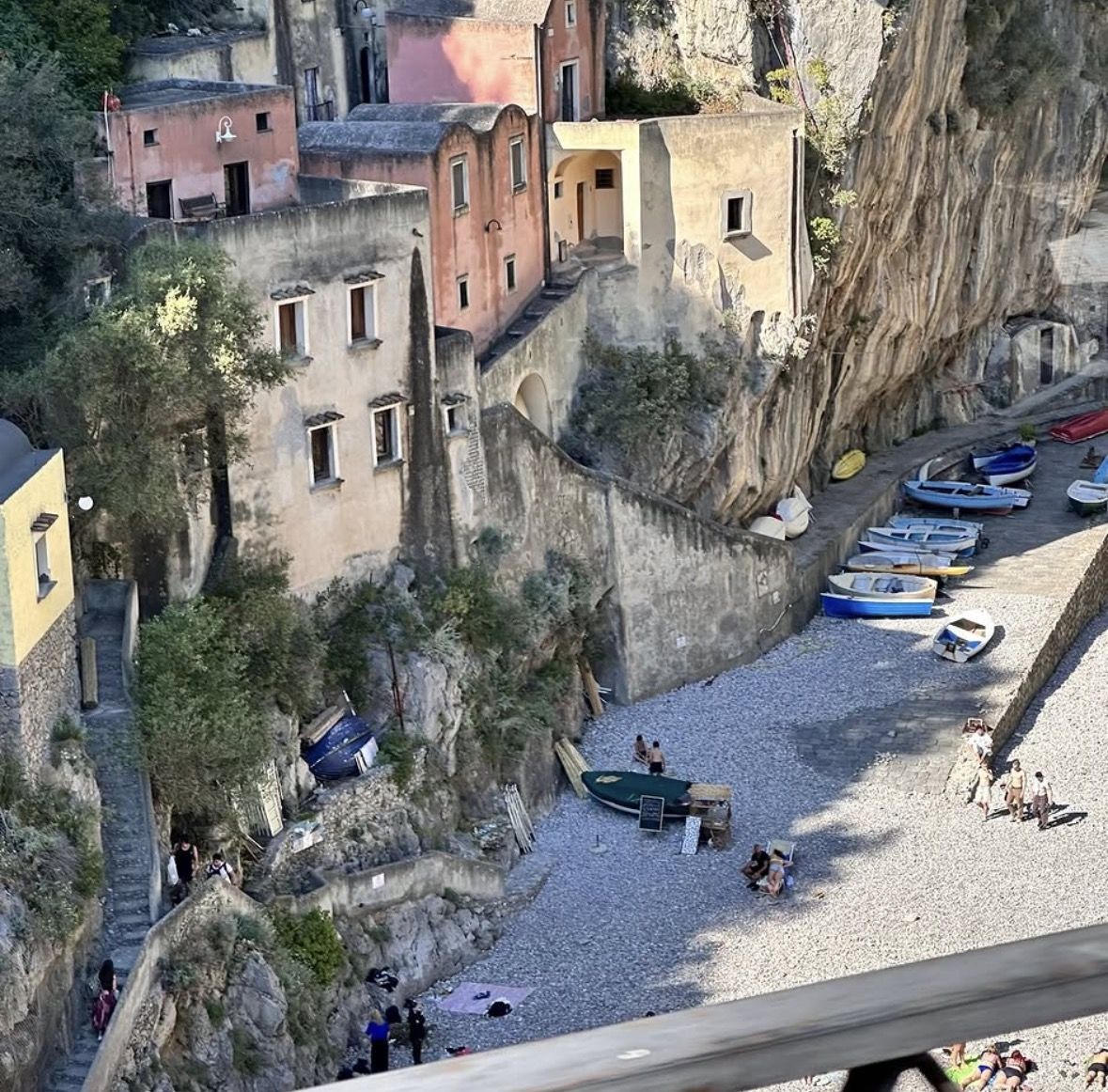
In 1997, the Amalfi Coast received its most prestigious modern accolade when UNESCO inscribed it on the World Heritage List as a Cultural Landscape of Outstanding Universal Value. The designation recognized not only the coast's extraordinary natural beauty but also the centuries of human interaction with this challenging terrain — the hand-built terraces climbing impossibly steep cliffs, the ancient paper mills using mountain streams, the fishing villages clinging to rock faces, and the network of mule paths connecting communities that roads could barely reach. This recognition formalized what artists, writers, and travelers had understood for centuries: the Amalfi Coast is one of humanity's most remarkable achievements of living harmoniously with nature.
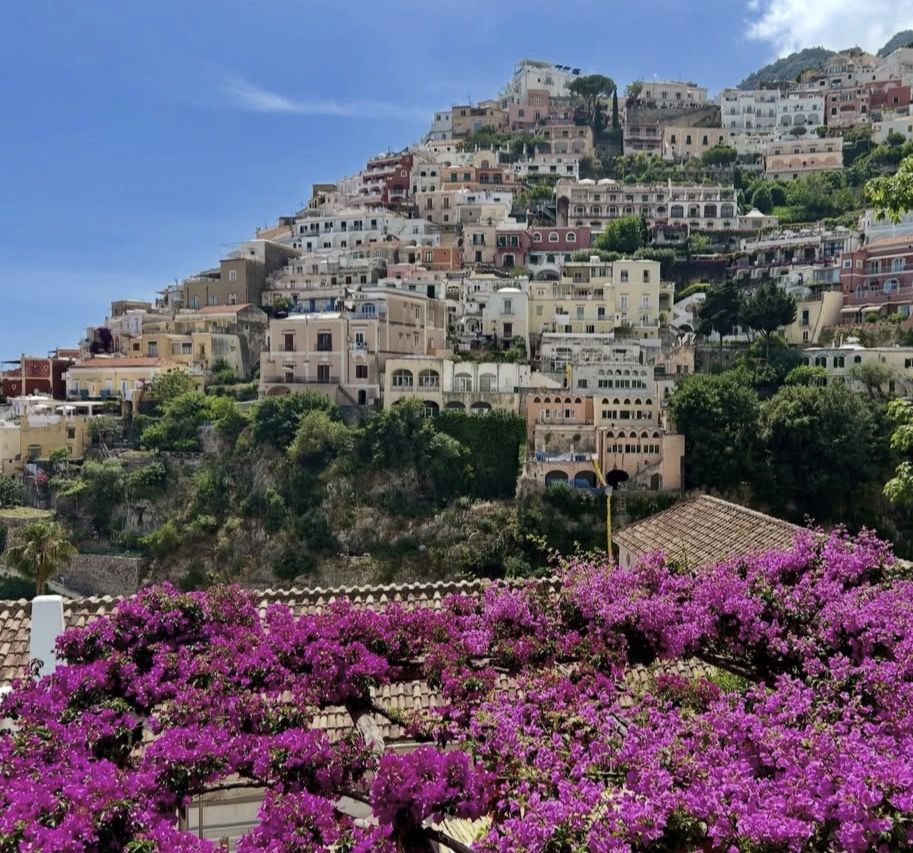
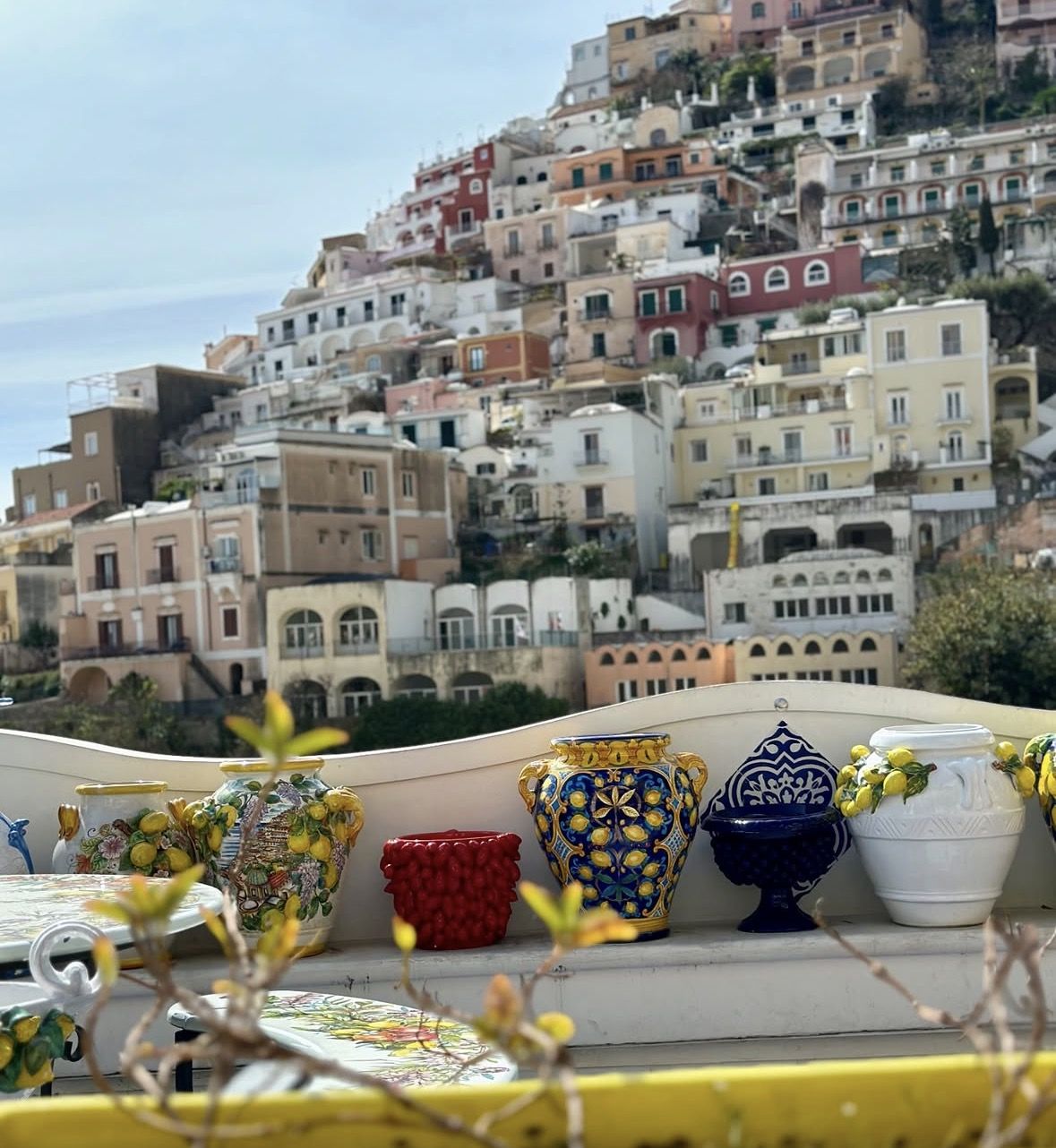
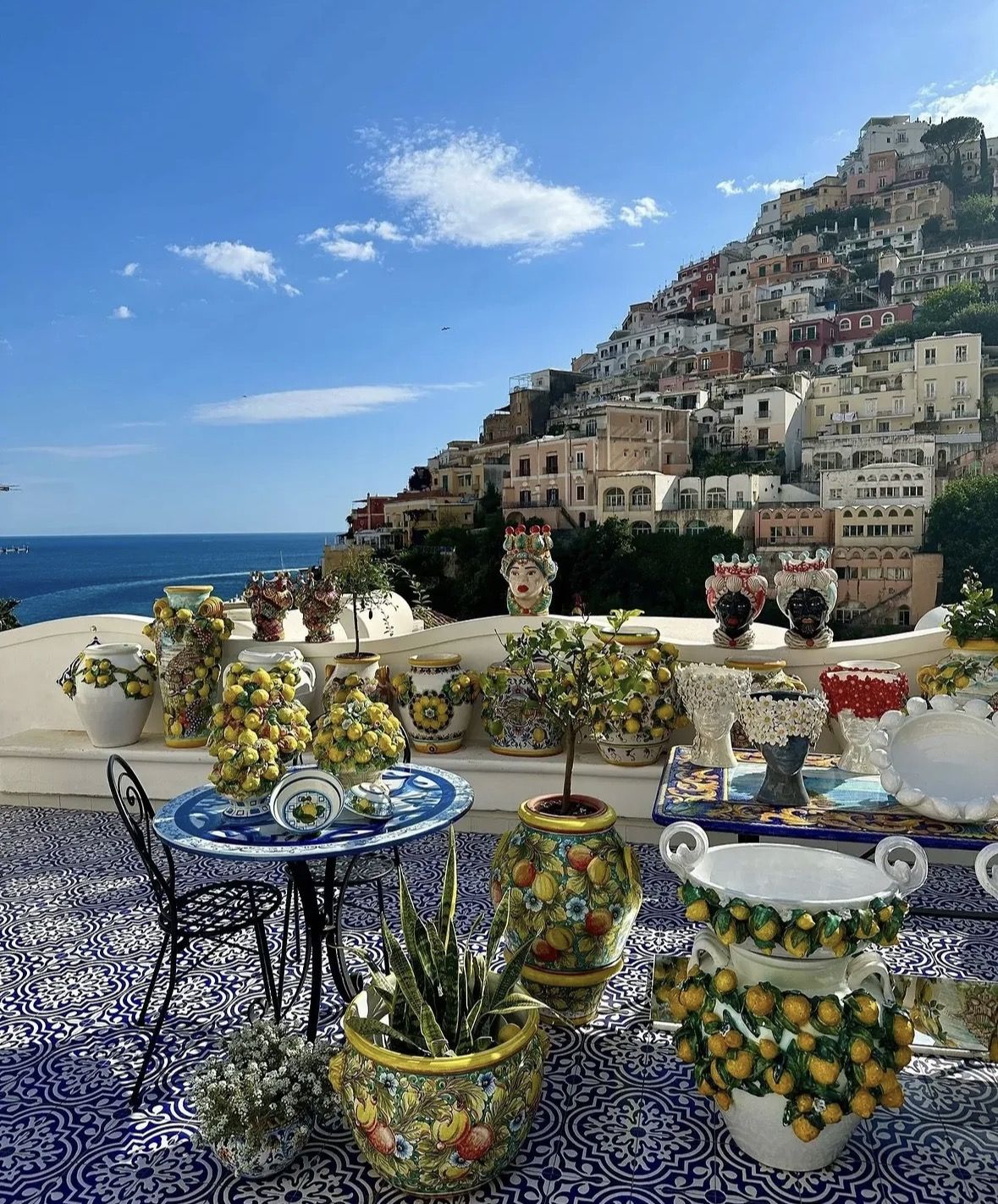
Today the Amalfi Coast is home to roughly 70,000 permanent residents spread across its clifftop towns and fishing villages, maintaining traditions that stretch back centuries. Limoncello is still made from the celebrated Sfusato Amalfitano lemon, a variety uniquely adapted to the steep, salt-sprayed terraces and protected by IGP geographic designation. Handmade paper production continues in Amalfi's Museo della Carta, housed in a 13th-century mill in the Valle dei Mulini. Artisan ceramics from Vietri sul Mare remain among southern Italy's most distinctive handicrafts, painted in vivid blues, greens, and yellows that mirror the coastline's own palette of sea, citrus, and sunlight.
Visiting the Amalfi Coast today means stepping into a landscape where ancient maritime ambition, Arab-Norman artistry, Renaissance creativity, and dolce vita glamour exist simultaneously and effortlessly. Whether you navigate the serpentine Strada Statale 163 by bus, hire a boat to explore sea caves and hidden coves, hike the legendary Sentiero degli Dei — the Path of the Gods — above Positano, or simply linger over fresh seafood and local wine on a sun-drenched terrace, you are participating in a tradition of wonder that stretches back more than a thousand years. The coast rewards every traveler who comes prepared to slow down and truly see it.
Ready to Experience It Yourself?
The Amalfi Coast is one of those rare destinations that exceeds every expectation — but navigating its winding roads, hidden trails, and spectacular towns is far richer with an expert guide by your side. Browse our handpicked selection of guided tours, private boat excursions, and curated itineraries designed to unlock the coast's deepest secrets. Book today and claim your place in over a thousand years of unforgettable history.
Book Your Tour Now